You have been in the city for years. The condo. The restaurants. The energy. But something shifted — maybe a growing family, maybe remote work, maybe the math on what your money could actually buy somewhere else.
You aren’t alone. The city-to-suburb migration in Chicago has accelerated, and one of the top destinations for professionals making that move is Downers Grove.
Not because it’s the flashiest suburb. Because it’s the one that makes the most sense for people who actually liked living in Chicago and don’t want to lose everything they valued about it.
Why Chicago Professionals Land in Downers Grove
The biggest fear city people have about moving to the suburbs is losing the lifestyle. The walkability. The dining. The feeling of being somewhere that’s actually alive.
Downers Grove addresses that fear better than almost any suburb in the Chicagoland area:
- Walkable downtown with legitimate restaurants, coffee shops, a farmers market, and an independent movie theater from 1928
- 35-minute Metra express to Union Station — shorter than many CTA commutes within the city
- Cultural texture — it doesn’t feel like a subdivision. The neighborhoods have character, the streets have canopy trees, and the community actually gathers
- Dining that competes with the city — Bien Trucha and Pierce Tavern would hold their own in any Chicago neighborhood
What Your Chicago Budget Buys in Downers Grove
| What You Have in Chicago | What You Get in Downers Grove |
|---|---|
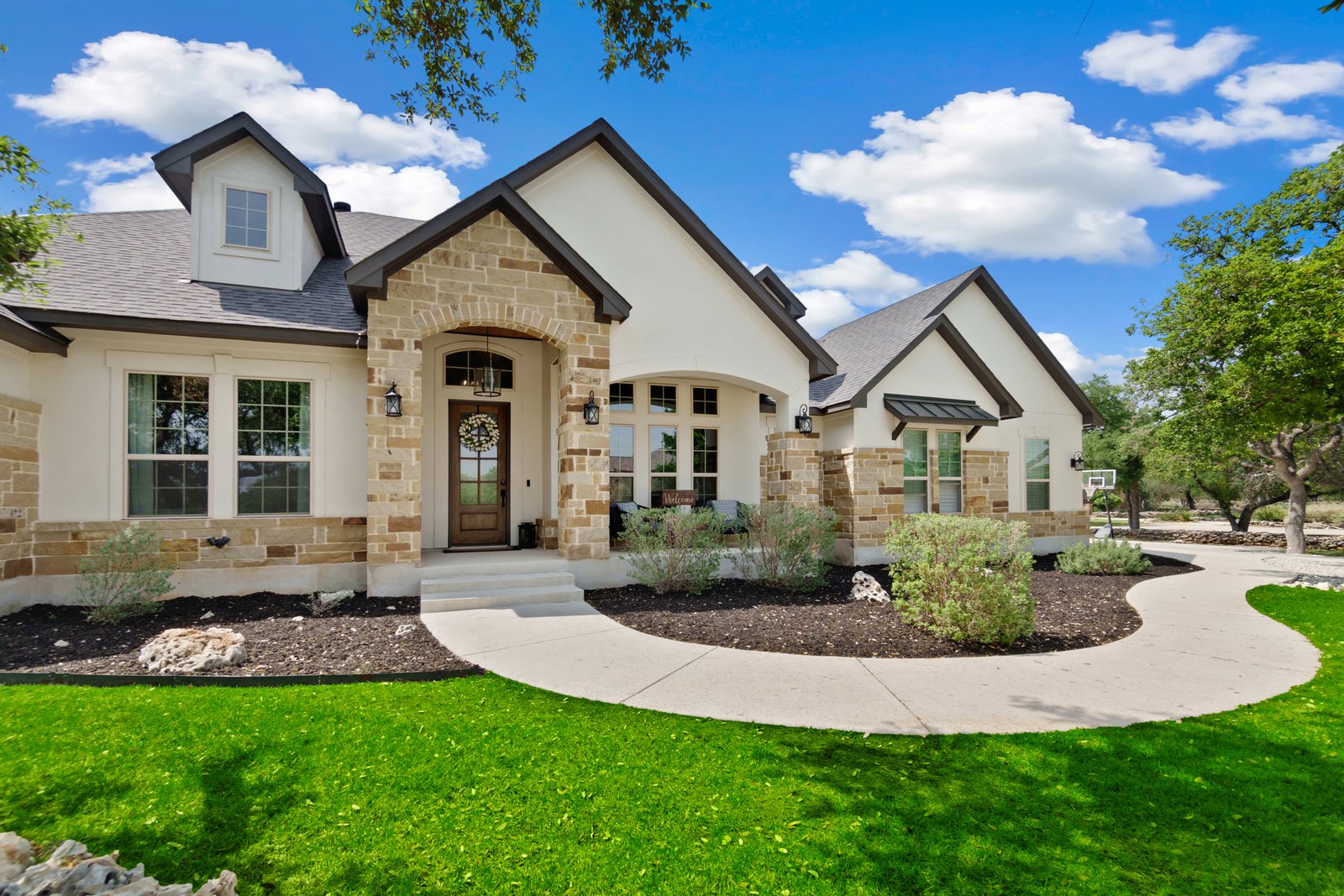
| $500K condo, 2 bed, 1,100 sq ft, no parking, $600/mo HOA | $500K single-family home, 3 bed, 1,800 sq ft, garage, yard, no HOA |
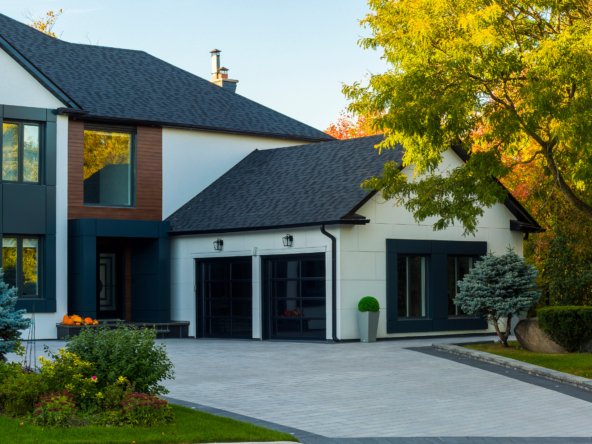
| $750K condo, 3 bed, 1,500 sq ft, in-unit laundry, parking spot | $750K updated home, 4 bed, 2,800 sq ft, finished basement, two-car garage |
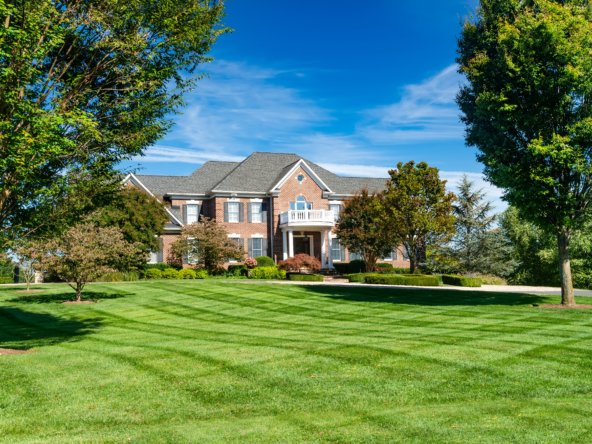
| $1M townhouse, 3 bed, 2,000 sq ft, rooftop deck | $1M new construction, 4-5 bed, 3,500 sq ft, premium finishes, large lot |
You aren’t just getting more space. You’re eliminating HOA fees, gaining a garage, gaining a yard, and often lowering your total monthly cost.
The Commute: Honest Numbers
If you commute to the Loop:
- Metra BNSF express from Main Street station: 35 minutes to Union Station
- Door-to-door (including walk to station and walk to office): 50 to 65 minutes
- This is comparable to commuting from Logan Square or Pilsen via CTA
If you work remotely full-time:
And this is where Downers Grove becomes an extraordinary value proposition. You get the space, the lifestyle, and the community without the commute trade-off.
If you’re hybrid (2 to 3 days in office):
The commute is manageable, and you gain significantly on the days you work from home. Most hybrid professionals report that the trade-off is overwhelmingly positive.
The Metra is also a fundamentally different experience than the CTA. It’s clean, reliable, and quiet. Many commuters use the 35 minutes productively.
What You Gain That You Can’t Get in the City
Space — real space. Not a 1,200 square foot condo with a juliet balcony. A yard your kids can play in. A basement you can finish into a home office, gym, or playroom. A two-car garage. Guest bedrooms that are actual rooms.
Schools you don’t have to pay extra for. In the city, families either enter the CPS lottery, pay $25K+ per year for private school, or buy into a narrow band of neighborhoods. In Downers Grove, every address feeds into a highly rated district. The savings on private school tuition alone can offset a significant portion of your mortgage.
Safety and quiet. Crime rates are a fraction of Chicago’s. Your kids can ride bikes to their friends’ houses.
Community that forms naturally. School events, sports leagues, the farmers market, neighborhood gatherings. You’ll know your neighbors within months.
Nature access. Hidden Lake Forest Preserve, Lyman Woods, and over 600 acres of village parks are minutes from anywhere in town.
What You Give Up — And Whether It Matters
Late-night dining and nightlife. Downers Grove isn’t going to match the city after 10 PM. But most families making this move have already shifted away from that lifestyle.
Cultural density. The Art Institute, live music venues, and the full depth of Chicago’s cultural scene require a trip into the city. The Metra makes this easy, but it isn’t the same as walking to it.
Public transit beyond the Metra. Within Downers Grove, you’ll drive more than you do in the city. The downtown is walkable, but errands beyond that core require a car.
For most families making this move, these trade-offs are acceptable — and many would argue they aren’t really trade-offs at all, just a different phase of life.
The Transition Timeline
Month 1–2: Research and explore. Visit downtown Downers Grove on a Saturday. Walk the farmers market. Have dinner at Bien Trucha. Drive the neighborhoods.
Month 2–3: Financial planning. Get pre-approved. Understand what your Chicago property will sell for. Calculate your true budget including property taxes and the elimination of HOA fees.
Month 3–5: Home search. Work with an agent who knows the Downers Grove market intimately. Inventory moves fast in spring and summer.
Month 5–6: Close and move. Most families coordinate selling their city property and closing on the suburban home within a tight window.
Frequently Asked Questions
Is Downers Grove boring compared to the city?
No — but it’s different. If you’re looking for a place where life feels full, connected, and well-paced, you’ll be surprised how much you enjoy it.
What if I still want to go into the city regularly?
The Metra makes this easy. Many residents go into the city for dinners, shows, and events regularly. It’s a 35-minute train ride, not a barrier.
Should I sell my Chicago property first or buy in Downers Grove first?
This depends on your financial situation. Most buyers benefit from having their city property under contract before committing in Downers Grove.
What are property taxes like compared to Chicago?
Higher in Downers Grove. Expect roughly 2 to 2.5 percent of assessed value. However, the elimination of HOA fees, parking costs, and private school tuition often more than offsets this.
Ready to Make the Move?
Luxury List Chicago specializes in helping city professionals transition to the western suburbs. We understand what you’re looking for, what you’re giving up, and how to find the home that makes the move feel right.
Book a private relocation consultation today.